When most people think about healthy aging, they think about keeping their cholesterol low, maintaining a healthy weight, walking every day, or doing enough cardio. All of those things matter, but research continues to show that one of the strongest predictors of how well we age is something far more practical: how much muscle and strength we maintain.
More specifically, grip strength and lower-body strength are strongly associated with longevity, physical independence, and the risk of developing chronic disease. These simple measures can tell us a surprising amount about the health and resilience of the entire body.
Grip strength is now often described as a biomarker of aging because it reflects far more than the strength of your hands. It provides insight into overall muscle quality, nervous system function, nutritional status, inflammation, and physical resilience. Large studies have consistently found that lower grip strength is associated with a higher risk of all-cause mortality, cardiovascular disease, stroke, physical disability, and hospitalization. In some research, grip strength has even been shown to predict major health outcomes as well as, or better than, traditional markers such as blood pressure.
That does not mean strong hands alone make you live longer. Grip strength is valuable because it serves as a window into what is happening throughout the rest of the body. When grip strength begins to decline, it can be an early indication that total-body strength, muscle quality, and physical resilience are also declining.
Lower-body strength may be even more important when it comes to maintaining independence as we age. Your legs allow you to stand up from a chair, climb stairs, get off the floor, carry groceries, stabilize yourself when you lose your balance, and continue participating in the activities you love. Leg strength is what keeps you hiking, golfing, skiing, traveling, gardening, playing pickleball, and keeping up with your children or grandchildren.
Research consistently shows that weakness in the legs is associated with a greater risk of falls, disability, hospitalization, loss of independence, and premature death. It is not simply the presence of muscle that matters, but the ability to use that muscle to create force and power. This becomes especially important with age because power, or the ability to produce force quickly, often declines faster than strength itself. That is one reason an older adult may have enough strength to stand but not enough speed or power to catch themselves during a fall.
Muscle loss begins much earlier than most people realize. Adults can begin gradually losing muscle mass in their thirties, and the rate of loss tends to accelerate later in life, particularly in people who are inactive. This age-related decline in muscle mass and function is known as sarcopenia. Without resistance training, adequate protein, and regular movement, that gradual loss can eventually affect metabolism, blood sugar regulation, bone density, balance, mobility, and the ability to recover from illness or injury.
Muscle is not simply tissue that helps us look toned. It is metabolically active tissue and one of the body’s most important organs for healthy aging. Skeletal muscle helps remove glucose from the bloodstream, improves insulin sensitivity, supports bone health, and acts as a major reservoir of amino acids that the body can draw upon during illness, injury, or periods of stress.
Muscle also communicates with the rest of the body. When muscles contract during exercise, they release signaling molecules known as myokines. These substances can influence inflammation, immune function, metabolism, brain health, and cardiovascular health. In other words, when you strengthen your muscles, you are not only changing your arms and legs. You are creating positive effects throughout the entire body.
This is why strength training is one of the most powerful tools we have for improving both lifespan and healthspan. Lifespan refers to how long we live, while healthspan refers to how many of those years we remain healthy, capable, and independent. The goal should not simply be to add years to life. It should be to add life to those years.
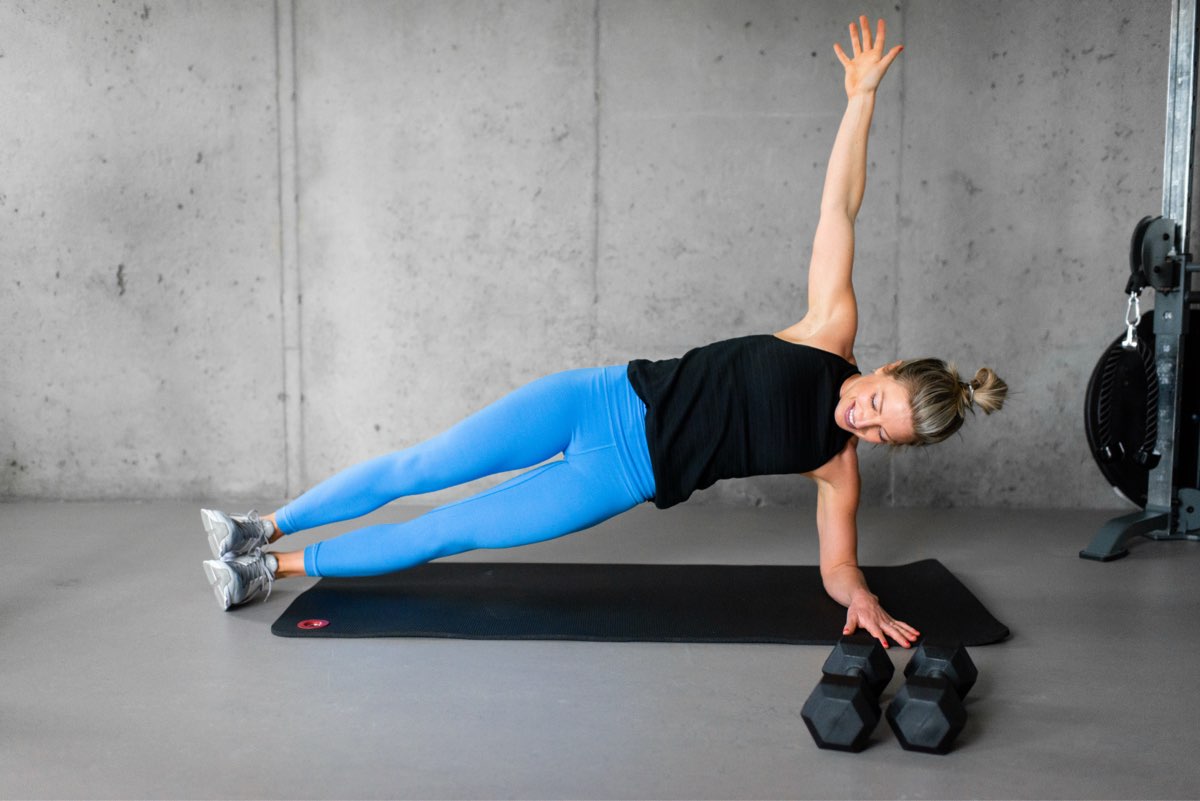
The good news is that you do not need to become a bodybuilder or spend hours in the gym to benefit. For many adults, two to three well-designed strength-training sessions per week can significantly improve strength, muscle mass, bone density, balance, insulin sensitivity, and overall quality of life. The most effective program is usually one that trains the major muscle groups and includes foundational movements such as squatting, hinging, pushing, pulling, carrying, and stepping.
Grip strength can be improved through exercises such as farmer carries, deadlifts, rows, pull-ups, and even simply holding challenging weights. Lower-body strength can be developed with squats, lunges, step-ups, deadlifts, bridges, and other exercises that strengthen the hips and legs. These movements do not need to be complicated, but they should gradually become more challenging over time. The body needs a reason to adapt.
Adequate protein is also essential because strength training provides the stimulus to build muscle, but protein provides the raw materials. Spreading high-quality protein across the day can help support muscle repair and maintenance, especially as we get older. Walking, sleep, recovery, and stress management matter too, but they should complement strength training rather than replace it.
Healthy aging is not just about avoiding disease. It is about preserving the ability to fully participate in your own life. It is being able to carry your groceries, lift your luggage, get up from the floor, climb a flight of stairs, enjoy recreational activities, and continue living independently for as long as possible.
So instead of spending your entire life chasing skinny, consider chasing strong. Lift the weights. Build your legs. Strengthen your grip. Eat enough protein. Protect the muscle you have and continue giving your body a reason to build more.
Your future is not only shaped by how many years you live. It is shaped by what your body is still capable of doing during those years.
Your 80-year-old self will thank you.